
What Does It Really Cost to Sell a Home, and How Can You Maximize Profit
Ashley Hernandez August 11, 2026
Ashley Hernandez August 11, 2026
Selling a home costs money before the check clears. The biggest mistake is focusing only on the sale price. Net profit matters more.
A strong offer can shrink fast after commissions, closing costs, repairs, staging, and moving expenses. The good news: most costs can be planned for, negotiated, or controlled.

The sale price is only one part of the final profit.
Most home-selling costs fall into four buckets. Some are required. Others are optional but can help the home sell faster or for more money.
Cost category | What it covers | Typical impact |
|---|---|---|
Agent commissions | Listing agent and possible buyer agent compensation | Often the largest selling expense |
Closing costs | Title, escrow, transfer taxes, recording fees, prorations, credits | Varies widely by state and county |
Repairs and staging | Pre-listing fixes, cleaning, paint, furniture, landscaping | Can improve buyer confidence |
Marketing expenses | Photos, signs, listing materials, floor plans, open house prep | Often included with agent services |
This post is for general information only. Selling costs vary by property, contract terms, and local rules.
Real estate commissions are usually the biggest cost of selling a home. They are also negotiable.
In many transactions, the seller pays compensation related to the listing agent and may also agree to pay compensation connected to the buyer’s agent. The exact structure depends on the listing agreement, local practice, and what gets negotiated in the purchase contract.
Commission is not just a fee for placing a home online. A good agent may help with pricing, preparation, showings, offer review, negotiation, inspection issues, appraisal concerns, and closing details.
That said, sellers should understand the numbers before signing.
Ask these questions:
A lower commission does not always mean higher profit. If weaker pricing, poor presentation, or limited buyer interest leads to a lower sale price, the “savings” can disappear. Compare cost against expected results.

Small line items can change the seller’s net proceeds.
Seller closing costs are the expenses paid when the transaction is completed. They vary more than many sellers expect.
Common seller closing costs may include:
Seller credits deserve special attention. A buyer may ask the seller to cover part of their closing costs, buy down the interest rate, or pay for repairs. In a slower market, these requests become more common.
Transfer taxes are another major swing factor. Some cities, counties, or states charge more than others. In some areas, these taxes are small. In others, they can be a meaningful expense.
Before listing, request a seller net sheet. This document estimates the sale price, loan payoff, commissions, closing costs, taxes, and estimated proceeds. Ask for more than one version based on different sale prices.
Repairs can feel painful before selling. Still, ignoring obvious problems can cost more later.
Buyers often overestimate repair costs. A $500 issue can turn into a $2,000 discount request if it creates doubt. Visible neglect also makes buyers wonder what else is wrong.
Focus first on items that affect confidence:
Cosmetic work also matters. Fresh paint, clean flooring, working lights, trimmed landscaping, and deep cleaning can change how a home feels during showings.
Staging does not always mean renting a full house of furniture. It can mean removing extra items, rearranging rooms, replacing dated bedding, adding brighter lamps, or styling key spaces for photos.
Spend where buyers will notice. Skip changes that are too taste-specific. A full kitchen remodel right before listing rarely makes sense unless the current kitchen blocks the sale.

Clean, simple staging helps buyers see the space clearly.
Marketing costs can be small or substantial. In many full-service listings, key marketing items are included in the agent’s services. In other cases, sellers pay for some items directly.
Common marketing costs include:
Photos matter because most buyers screen homes before visiting. Poor photos can reduce showing activity. Fewer showings often mean fewer offers.
Ask the agent what is included and what is optional. For a unique or high-priced home, added photography, staging, or print materials may make sense. For a straightforward property in a hot market, a leaner plan may be enough.
Selling costs are not the same nationwide. Location affects taxes, customs, title fees, attorney involvement, HOA charges, and even what buyers expect before making an offer.
Market conditions matter too.
In a seller’s market, homes may sell faster with fewer concessions. Buyers may accept minor repairs or pay closer to list price.
In a buyer’s market, sellers may need to spend more on preparation, offer credits, accept longer timelines, or adjust price.
In a balanced market, presentation and pricing carry extra weight. Overpricing can lead to price cuts. Underpreparing can push buyers toward cleaner homes nearby.
Local property type also matters. Selling a condo may involve HOA resale packages and move-out fees. Selling an older home may involve more repairs. Selling rural property may require surveys, well tests, septic inspections, or road maintenance details.
Start with the net number, not the list price. Build a simple budget before going live.
Use this approach:
A seller who knows the numbers can make better choices under pressure.
Practical ways to protect profit include:
If the home has major issues, get estimates before listing. Real numbers beat guesses during negotiation.
For a clearer estimate of your selling costs and likely net proceeds, request a home sale consultation.
Many sellers should plan for commissions, closing costs, repairs, staging, and possible buyer credits. The exact amount depends on location, home condition, loan payoff, and contract terms.
No. Real estate commissions are negotiable. Ask what services are included and how compensation will be handled in the listing agreement and purchase contract.
Fix safety issues, visible damage, and problems that could scare buyers. Skip costly upgrades unless they clearly support the sale price.
Yes, sellers often pay certain closing costs. These may include transfer taxes, title fees, escrow fees, prorated taxes, HOA fees, and negotiated buyer credits.
Staging can help buyers understand the space and improve listing photos. It works best when it highlights key rooms without overspending.

A clear budget helps sellers make better decisions before listing.
The sale price gets attention. The net proceeds pay the bills.
Before listing, identify every likely cost. Then choose repairs, staging, pricing, and negotiation terms based on profit, not guesswork. A prepared seller has more control and fewer surprises at closing.
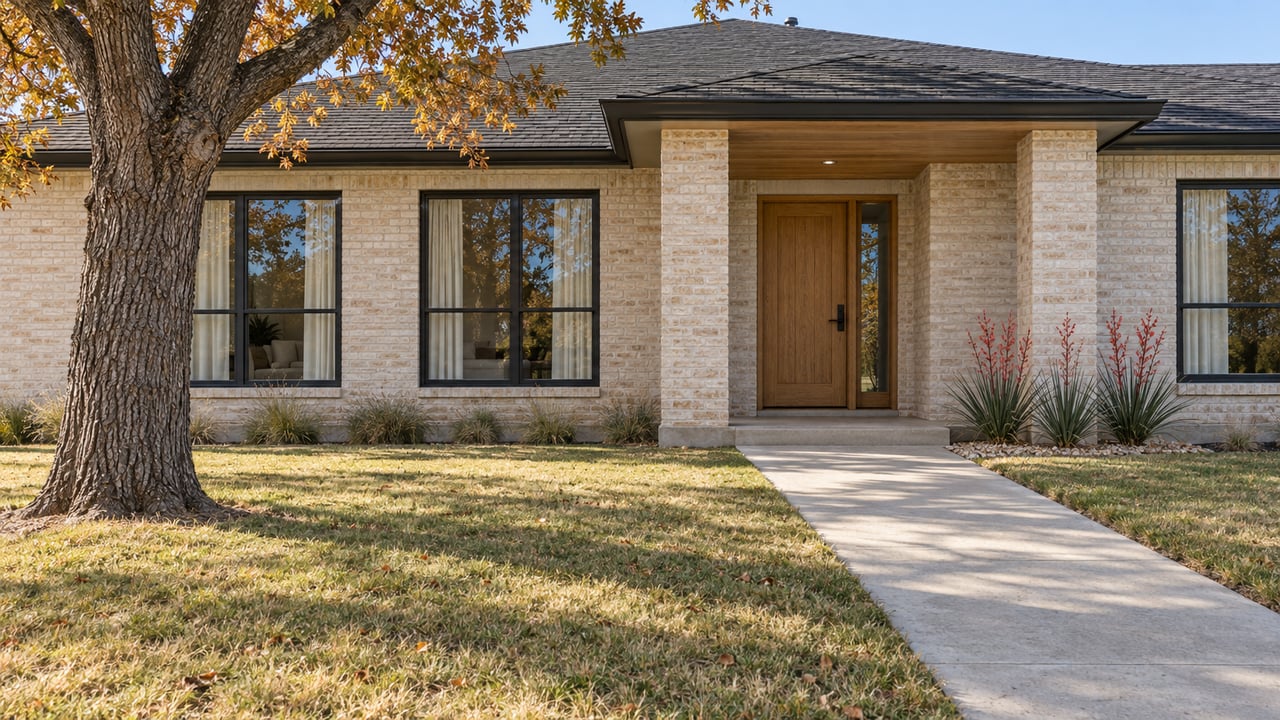

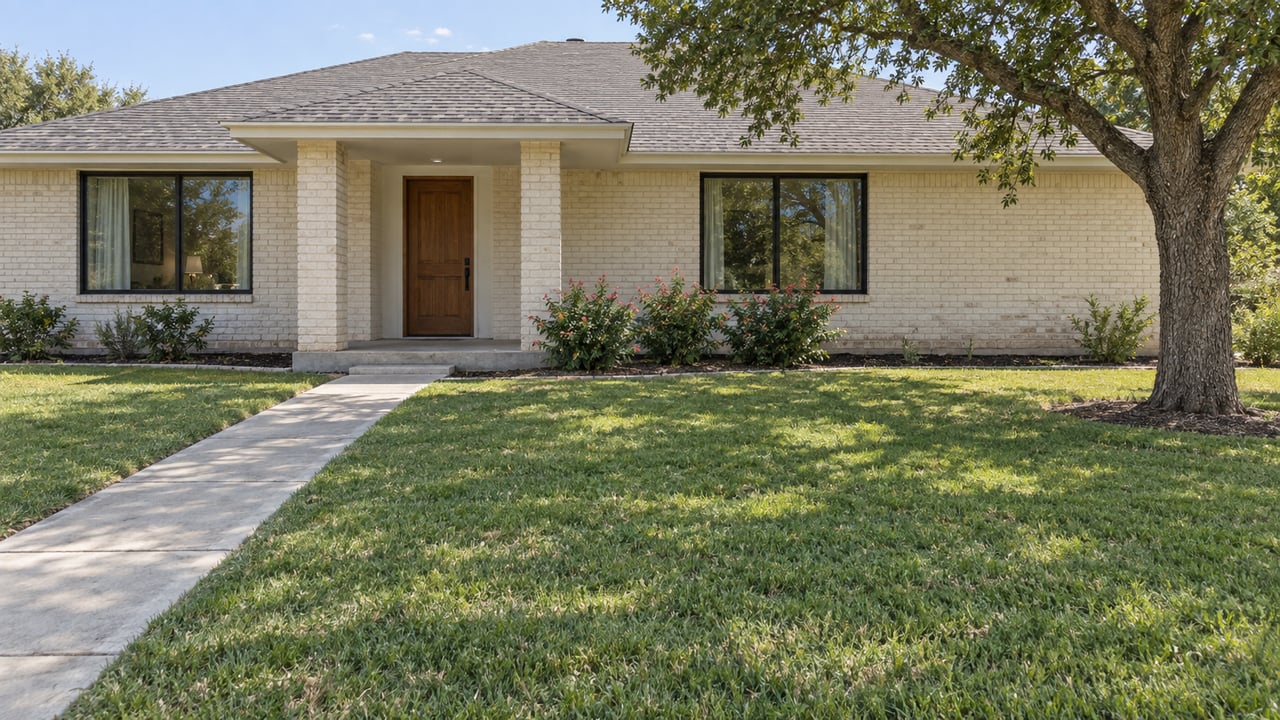
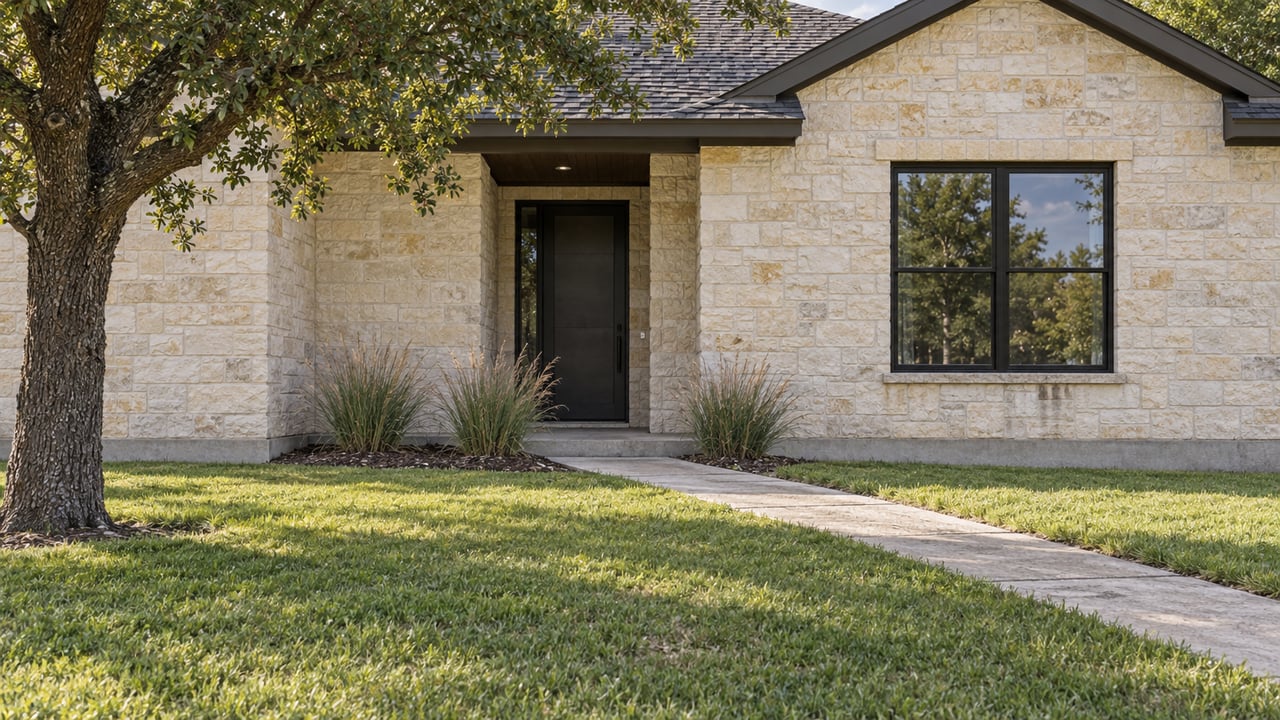
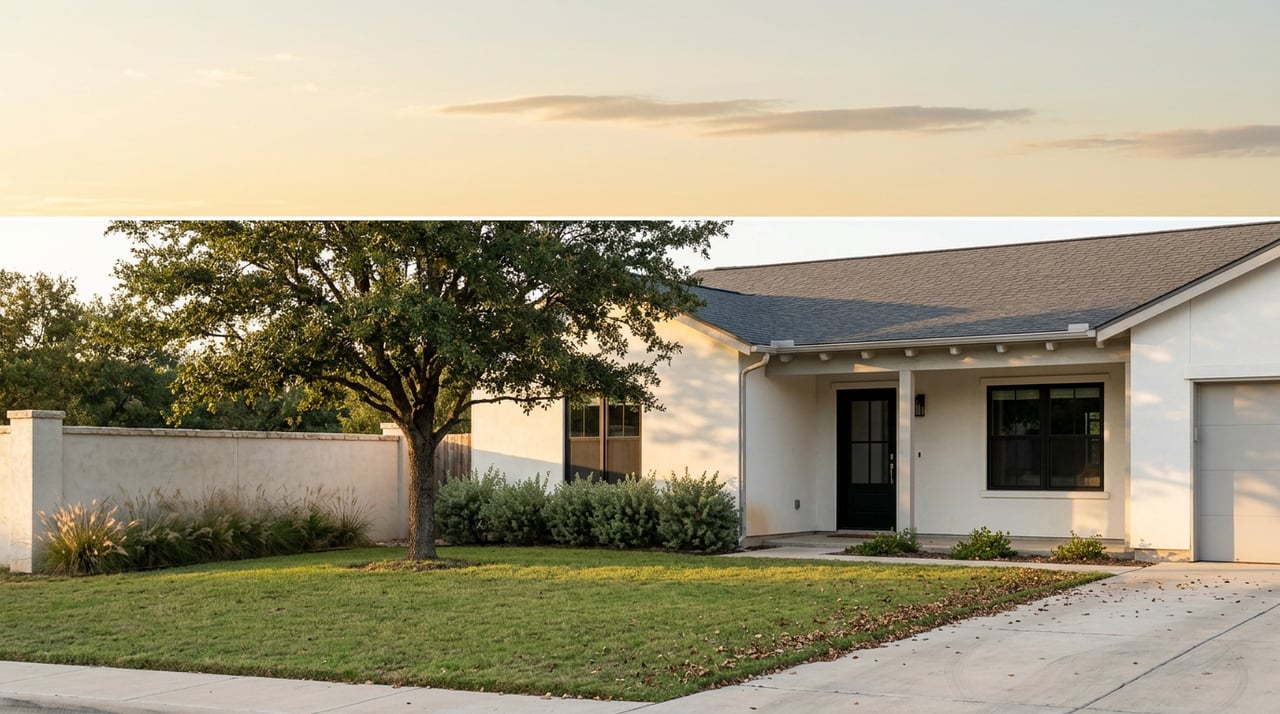

A clear checklist keeps the process calmer, faster, and less costly.

A focused plan can make your home easier to sell and easier for buyers to love.

Use these strategies to compete with purpose, protect yourself, and avoid panic decisions.

Price matters. So do certainty, speed, risk, and the buyer’s ability to close.
Ready to buy, sell, or invest in the Abilene area? Elite Real Estate Group is here to guide you every step of the way with expert advice, strong negotiation, and a client-first approach. Reach out today and take the next step with confidence.