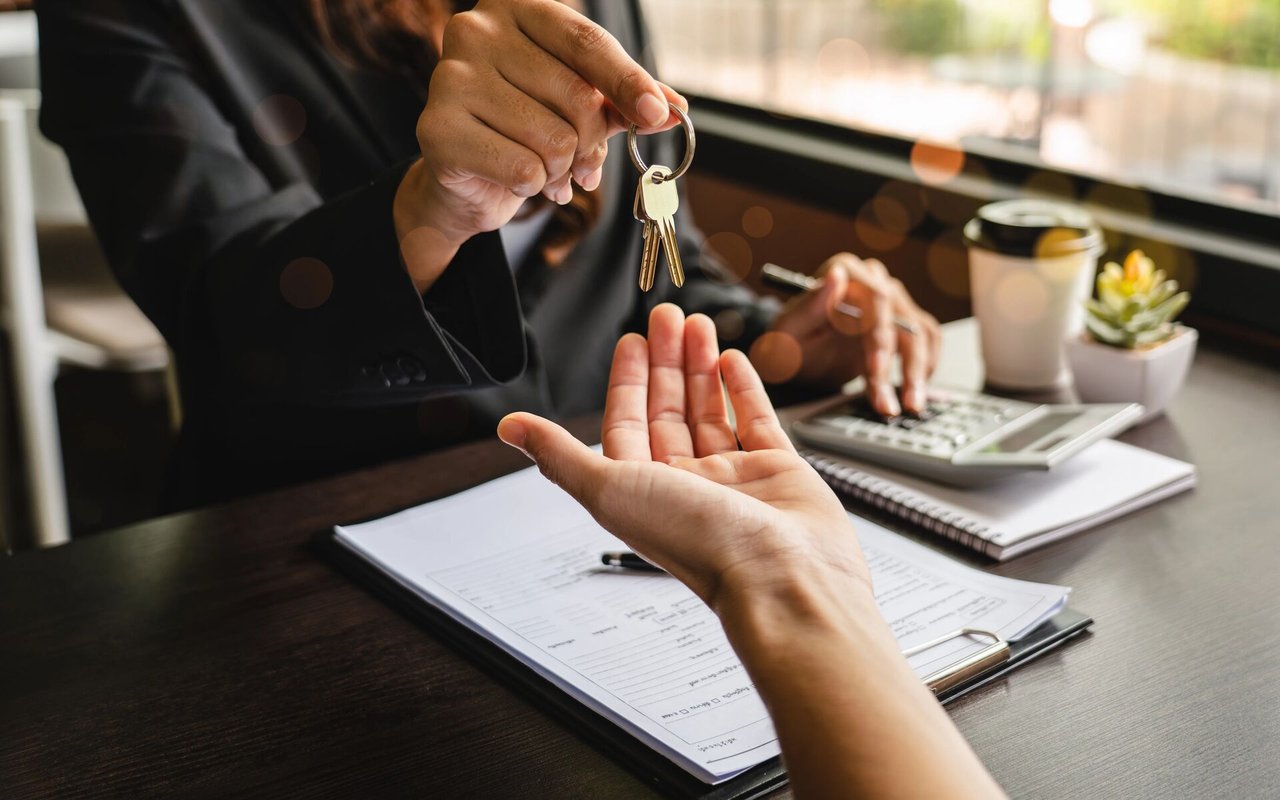
How to Make a Strong Offer on a Home With Confidence
Ashley Hernandez August 18, 2026
Ashley Hernandez August 18, 2026
A strong offer is not only about the highest price. Sellers also care about certainty, timing, and a clean path to closing. The best offer makes the seller feel confident that the deal will get done.
Use these strategies to compete with purpose, protect yourself, and avoid panic decisions.

A strong offer starts with a clear plan before the bidding begins.
Start with the market, not your emotions.
A home that has been listed for two days in a low-inventory area needs a different strategy than a home that has sat for six weeks. Before deciding on price or terms, look at what is happening nearby.
Focus on:
Comparable sales matter most when they are recent and similar. Look at homes with the same general size, condition, location, and features. A renovated home with a new roof should not be compared directly to a dated home that needs major repairs.
Pricing trends also matter. If homes are selling above list price, a low offer may not get a response. If homes are lingering, buyers may have more room to ask for repairs, credits, or closing help.
Ask your agent to explain the local pattern in plain language. Good questions include:
This helps you make a strong offer on a home without guessing.
Sellers want proof that you can close. A pre-approval letter gives them that proof.
A pre-approval is stronger than a basic pre-qualification. It usually means a lender has reviewed key financial details, such as income, credit, and assets. It tells the seller your financing is not just a hope.
Include a current pre-approval letter with your offer. Make sure it matches the offer price. If your lender is willing, ask for a letter that is specific to the property.
Stronger financial details can also help, when appropriate:
Cash buyers often have an edge because there is no loan approval risk. But financed buyers can still compete well. A responsive lender, clean pre-approval, and solid down payment can make a seller more comfortable.
Do not overstate your position. Your offer should reflect what you can truly afford, including taxes, insurance, HOA dues, repairs, and moving costs.

Clear financial proof can make an offer feel safer to a seller.
Price gets attention. Terms often win the decision.
A competitive price should reflect the home’s value, the local market, and your budget. In a hot market, that may mean offering at or above list price. In a slower market, a strong offer may still include room for negotiation.
Avoid picking a number just because it feels round. A specific price based on comparable sales can show you are serious. For example, if similar homes point to a value slightly above list price, your offer can reflect that without going far beyond reason.
Flexible terms can also make your offer stand out.
Consider offering:
Flexibility should still protect you. Do not agree to terms you do not understand. A fast closing sounds good, but only if your lender, title company, and funds are ready.
The best offers balance appeal and safety. They give the seller confidence without putting the buyer in a risky position.
A sincere buyer letter can help in some situations. It may remind the seller that a real person wants to care for the home.
Keep it short. Focus on the home itself. Mention what stood out, such as the garden, natural light, or layout. Thank the seller for considering the offer.
Avoid sharing personal details tied to protected characteristics. Fair housing laws are serious. Do not include information about race, religion, family status, disability, national origin, or similar topics. Some agents and sellers avoid buyer letters for this reason.
A safe letter might say:
That is enough. The letter should support the offer, not carry it.

A simple letter can add warmth when it is written with care.
Contingencies protect buyers. Sellers prefer fewer risks. The goal is to find the right balance.
Common contingencies include:
In a competitive market, buyers sometimes shorten timelines or limit requests. That can make an offer stronger. But removing major protections can expose you to serious costs.
The inspection contingency deserves special care. A home can look great and still have hidden issues. Plumbing, electrical, foundation, roof, drainage, and HVAC problems can become expensive fast.
If the market is very competitive, talk with your agent about safer ways to improve your offer. Options may include:
Never waive an inspection just to win without understanding the possible cost. A strong offer should help you buy the home, not trap you in a bad decision.
This content is for general information only. Real estate contracts, financing, and inspection decisions should be reviewed with qualified local professionals.
There is no universal number. Base the offer on comparable sales, market demand, and the home’s condition. In some markets, list price is strong. In others, buyers may need to go higher.
Yes. It shows the seller that a lender has reviewed your finances. It can separate your offer from buyers who have not taken that step.
Be careful. Waiving an inspection can make an offer more attractive, but it can also create major risk. Consider shorter inspection timelines or limits on repair requests instead.
Yes. Some sellers value timing as much as price. A closing date that fits their move can make your offer easier to accept.
No. Some sellers do not accept them due to fair housing concerns. If used, keep the letter focused on the home and avoid personal details tied to protected characteristics.

Inspections help buyers understand the home before closing.
Winning the home matters. Buying it wisely matters more.
A strong offer combines market knowledge, financial proof, thoughtful terms, and smart protections. It shows the seller you are serious and ready. It also keeps the deal grounded in your budget and comfort level.
If you are preparing to make an offer, get local guidance before you act. Review the price, terms, contingencies, and timeline before signing. For help with your next move, contact Elite Real Estate Group.
The right offer gives both sides confidence. That is what gets deals to the closing table.
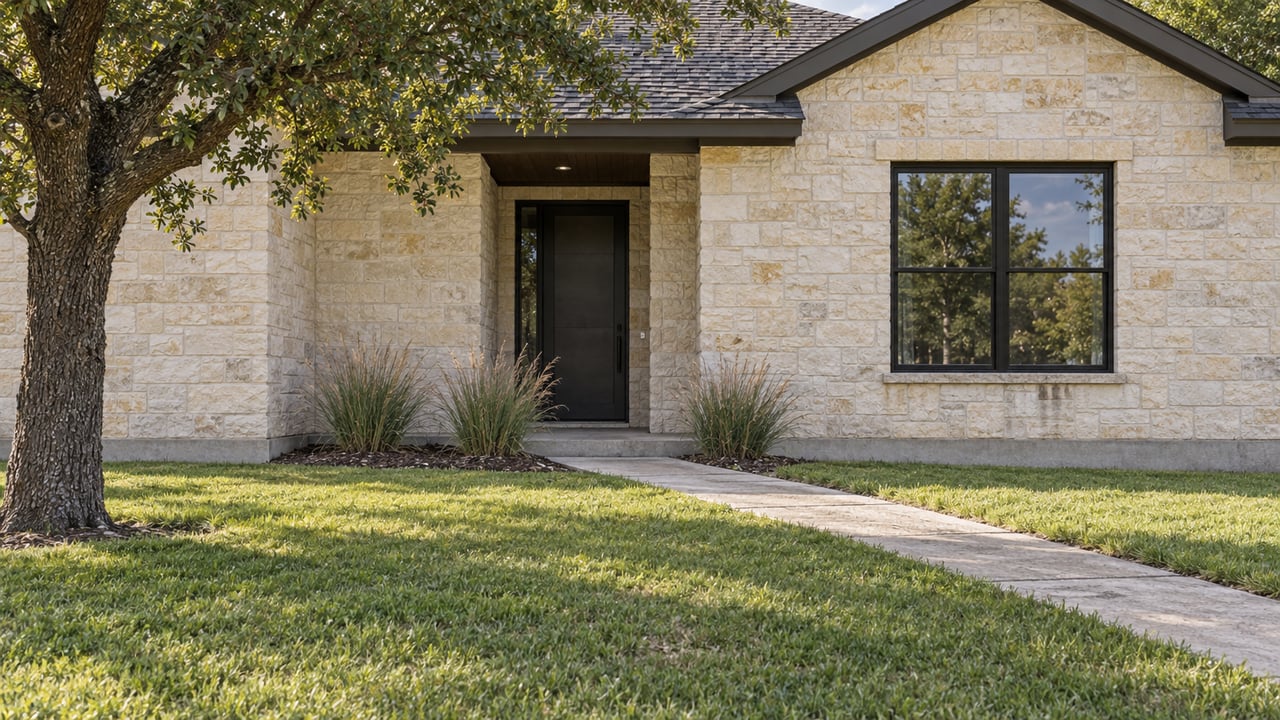
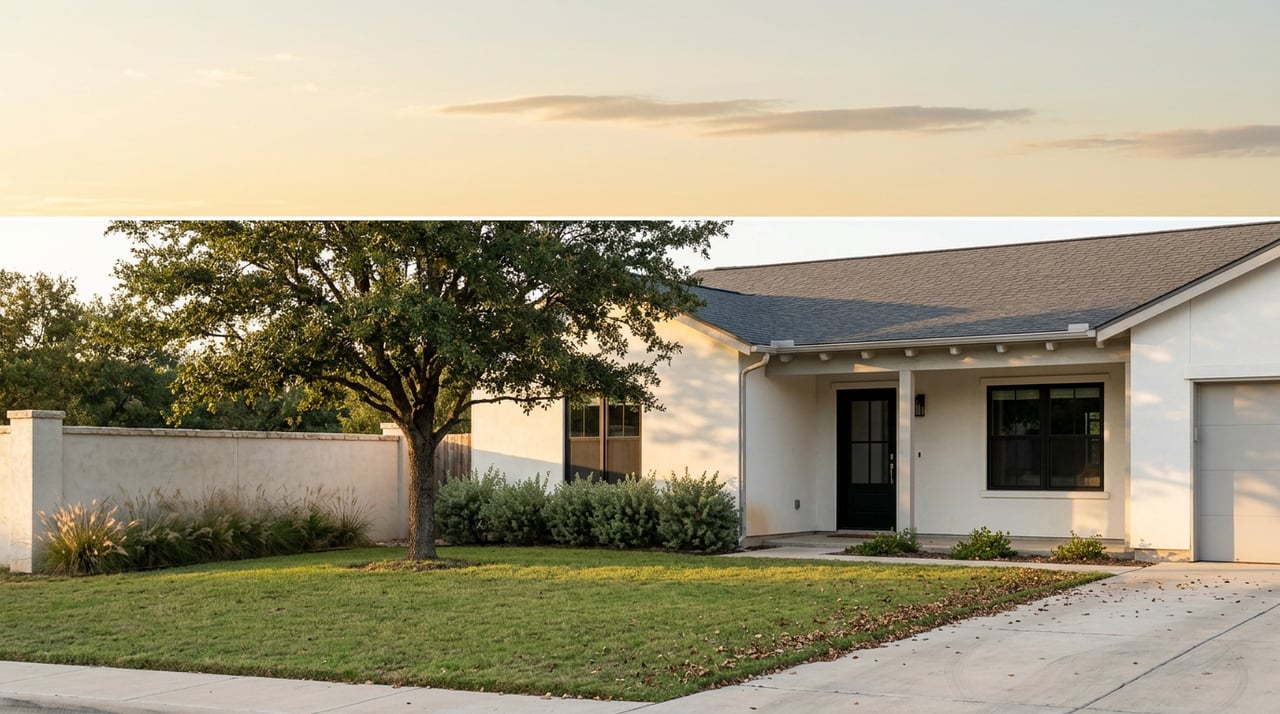

A clear checklist keeps the process calmer, faster, and less costly.
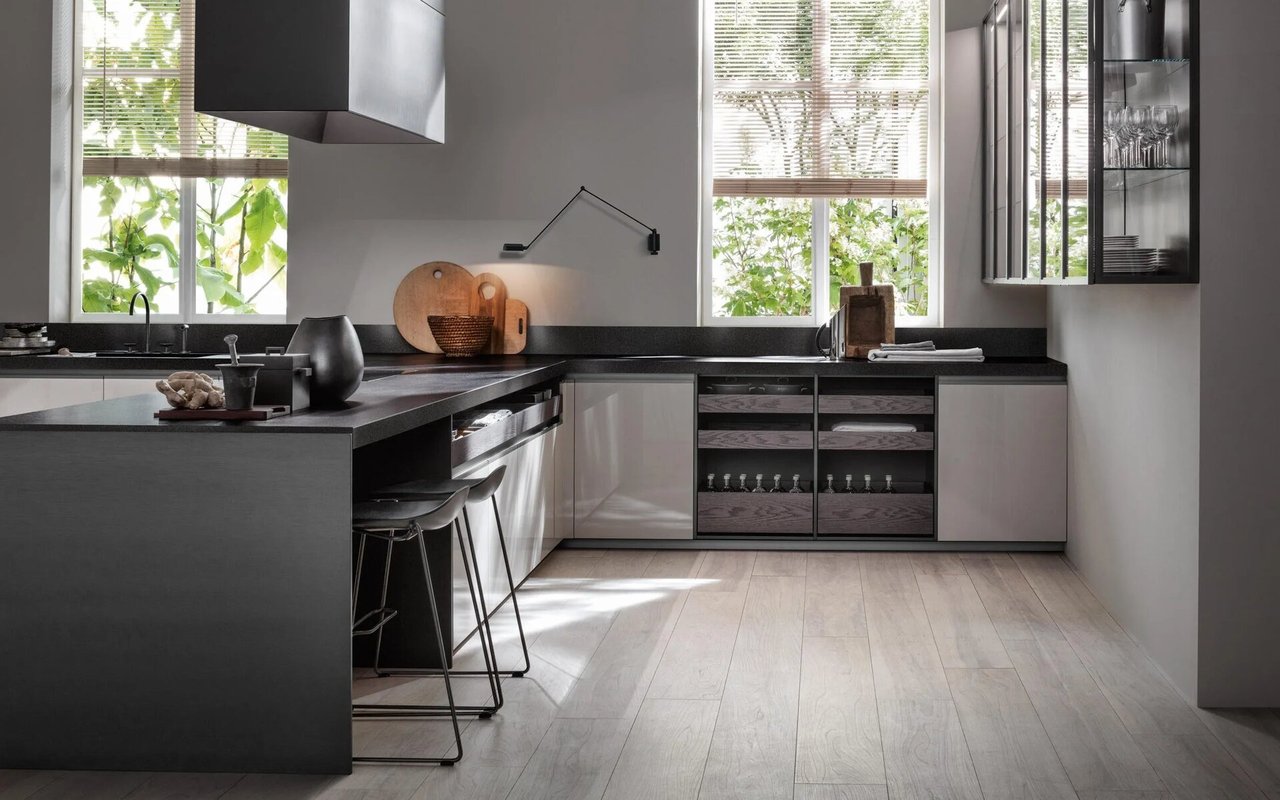
A focused plan can make your home easier to sell and easier for buyers to love.
Use these strategies to compete with purpose, protect yourself, and avoid panic decisions.

Price matters. So do certainty, speed, risk, and the buyer’s ability to close.
Ready to buy, sell, or invest in the Abilene area? Elite Real Estate Group is here to guide you every step of the way with expert advice, strong negotiation, and a client-first approach. Reach out today and take the next step with confidence.