
What Sellers Look for When Comparing Offers and How Buyers Can Stand Out
Ashley Hernandez August 18, 2026
A seller does not always choose the highest offer. Price matters. So do certainty, speed, risk, and the buyer’s ability to close.
When sellers compare offers, they ask one main question: Which offer gives me the best outcome with the least trouble? The answer often depends on the full package, not one number.

A seller weighs more than the offer price when choosing a buyer.
The offer price is the first thing most sellers notice. A strong price can get attention fast, especially when several buyers are competing.
But sellers also look at the terms behind the price. A high offer with weak terms can lose to a slightly lower offer that feels safer.
Common terms sellers compare include:
Sellers focus on the net result. An offer of $410,000 with large seller credits may be less attractive than an offer of $400,000 with clean terms.
A seller wants proof that the buyer can close. That is why financial qualifications carry real weight.
A pre-approval letter is stronger than a basic pre-qualification. It shows a lender has reviewed more of the buyer’s financial picture. Sellers may also look for the lender’s reputation, the loan type, and how far along the buyer is in underwriting.
Cash offers often stand out because they remove lender approval from the process. That does not mean financed buyers cannot compete. It means they need to reduce doubt.
Buyers can strengthen their position by doing a few clear things:
Sellers are not just choosing a buyer. They are choosing a path to closing.

Clean paperwork and clear funds can make an offer feel safer.
Contingencies protect buyers. They also create exit points. Sellers compare them closely.
The most common contingencies include inspection, financing, appraisal, and home sale contingencies. None are wrong by themselves. But each one affects the seller’s risk.
An inspection contingency gives the buyer time to inspect the home and ask for repairs or credits. A financing contingency protects a buyer if loan approval fails. An appraisal contingency matters when the purchase uses a mortgage. A home sale contingency makes the purchase depend on the buyer selling another property.
A clean offer does not always mean waiving every protection. That can be risky. A better goal is to make contingencies clear, limited, and reasonable.
Closing date also matters. One seller may want a fast close because they already bought another home. Another may need extra time to move. A buyer who matches the seller’s ideal timeline can stand out.
Good ways to improve timing include:
A strong offer removes confusion. Sellers like clear deadlines and fewer surprises.
Some sellers care who buys their home. They may have raised a family there, updated it themselves, or owned it for many years. A respectful tone can make an offer feel more human.
That said, personal letters need care. Many real estate professionals discourage buyer “love letters” because they can include details tied to protected classes under fair housing laws. Sellers should not make decisions based on race, religion, family status, disability, national origin, sex, or other protected traits.
Buyers can still build trust without crossing that line.
Focus on the home and the transaction:
Respect matters. So does compliance. A buyer can be warm without making the seller uncomfortable.

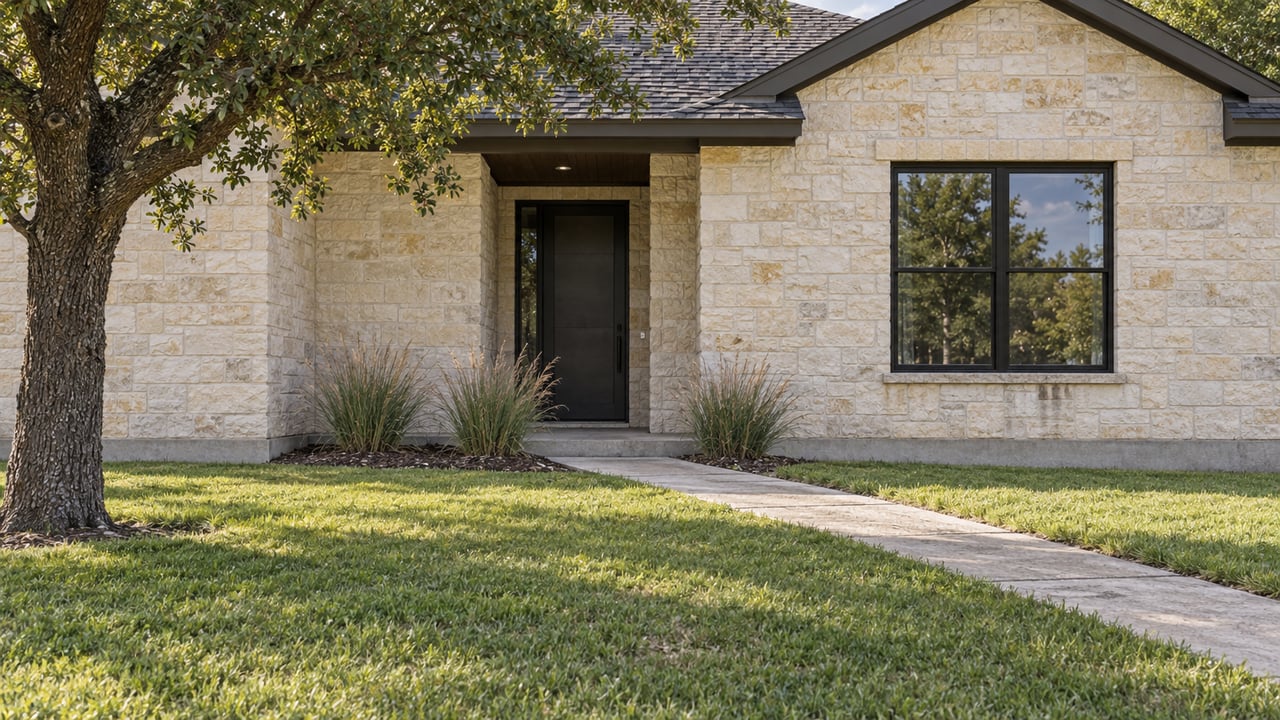
A home often carries meaning for the seller beyond the contract.
Seller priorities shift with the market.
In a strong seller’s market, buyers may need to compete on price, speed, and certainty. Sellers may receive multiple offers and choose the one with the best mix of value and low risk.
In a balanced market, sellers may still care about price, but they may accept normal contingencies and reasonable timelines.
In a buyer’s market, sellers may become more flexible. They may agree to repair requests, closing cost credits, or longer closing windows to keep a qualified buyer under contract.
Trends also matter. Higher mortgage rates can reduce buyer demand. Low inventory can push competition higher. Local job growth, seasonal patterns, and neighborhood demand can affect how bold buyers need to be.
The best offer strategy matches the market. A tactic that works in a slow market may fail in a competitive one.
A good offer makes the seller’s choice easier. It shows value, proof, and follow-through.
Use this checklist before submitting:
Need help shaping an offer that fits the property and the market? Contact Elite Real Estate Group for guidance before you submit.
No. Sellers often choose the offer with the best mix of price, terms, financing strength, and closing certainty.
Cash can be attractive because it removes lender risk. A financed offer can still compete if the buyer is well qualified and the terms are strong.
Waiving an inspection can increase risk. Some buyers choose shorter inspection periods or informational inspections instead. Buyers should understand the tradeoff before making that choice.
It can, but it may create fair housing concerns. If used, it should focus on the home and avoid personal details tied to protected traits.

The strongest offer fits the seller, the home, and the market.
A seller compares more than the headline price. The strongest offer feels solid from start to finish. It gives the seller confidence that the deal will close on time, with fewer problems, and with terms that fit their next move.
This content is for informational purposes only and is not legal, tax, or financial advice.




A clear checklist keeps the process calmer, faster, and less costly.
Ready to buy, sell, or invest in the Abilene area? Elite Real Estate Group is here to guide you every step of the way with expert advice, strong negotiation, and a client-first approach. Reach out today and take the next step with confidence.