
Home Selling Checklist: From Staging to Closing the Deal
Ashley Hernandez August 25, 2026
Ashley Hernandez August 25, 2026
Selling a home has a lot of moving parts. A clear checklist keeps the process calmer, faster, and less costly. Use this guide to move from prep work to closing with fewer surprises.
This is general information only. For legal, tax, or financial questions, talk with a qualified local professional.

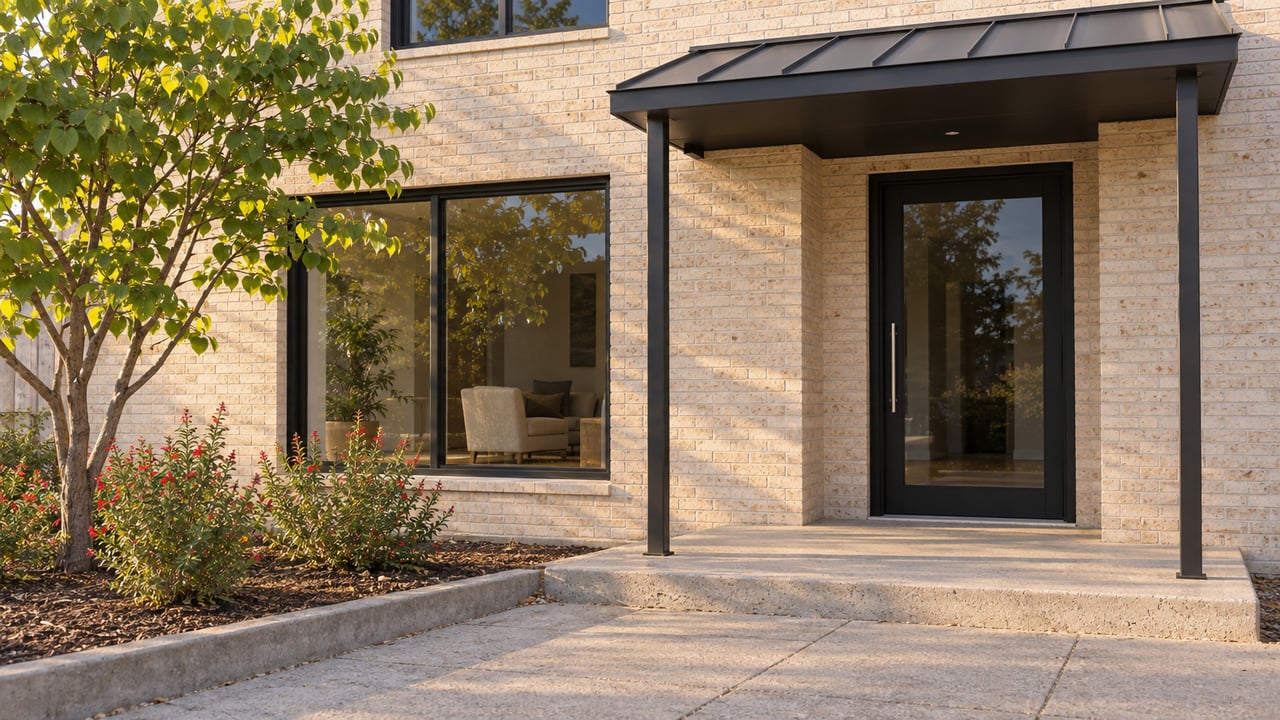
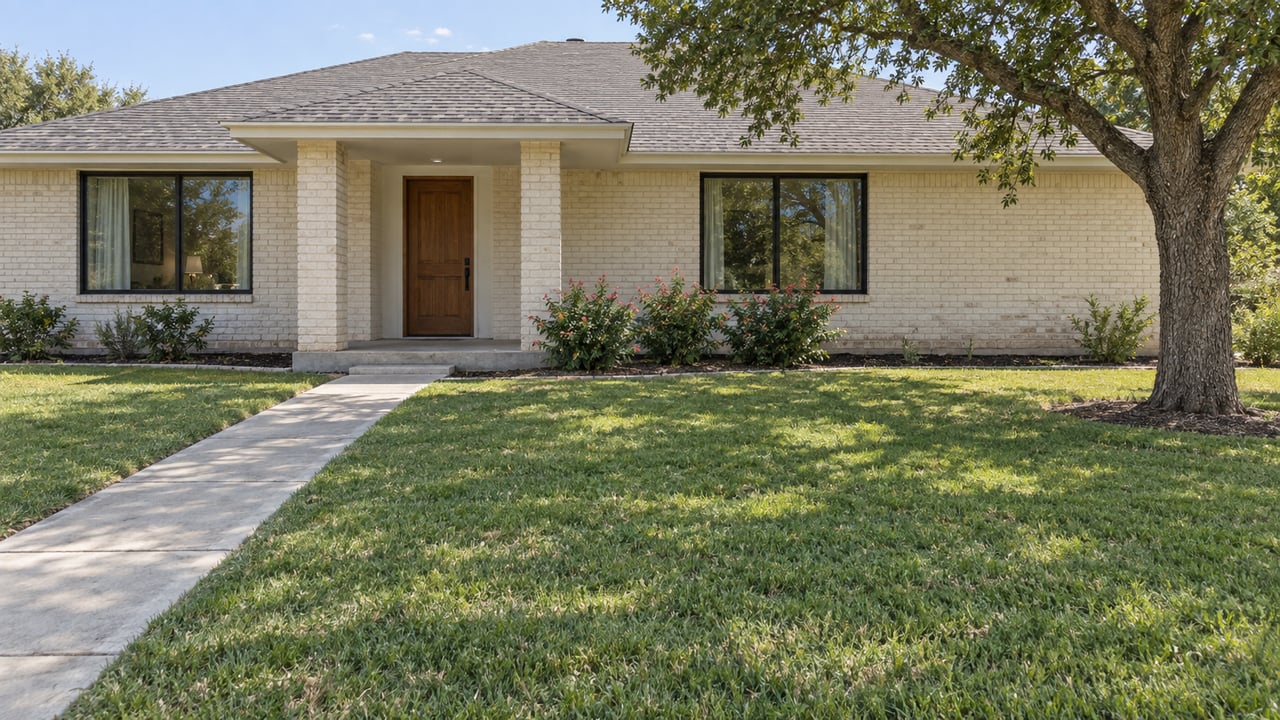
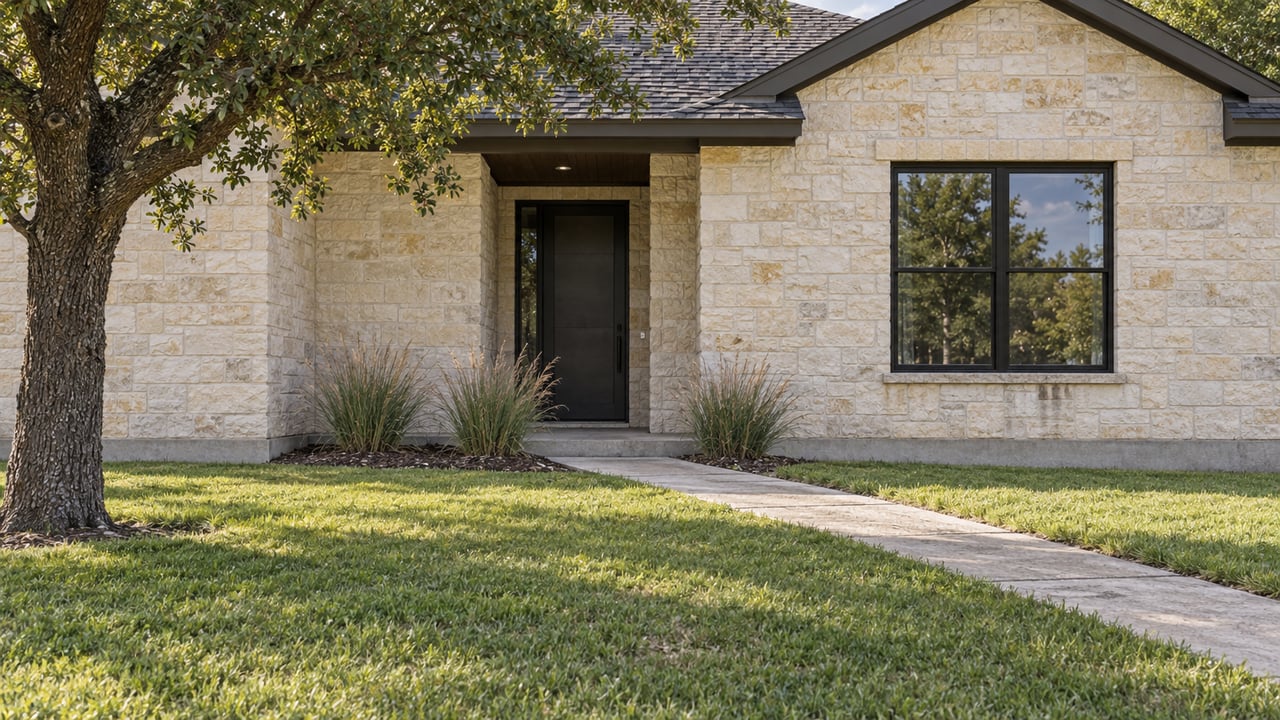
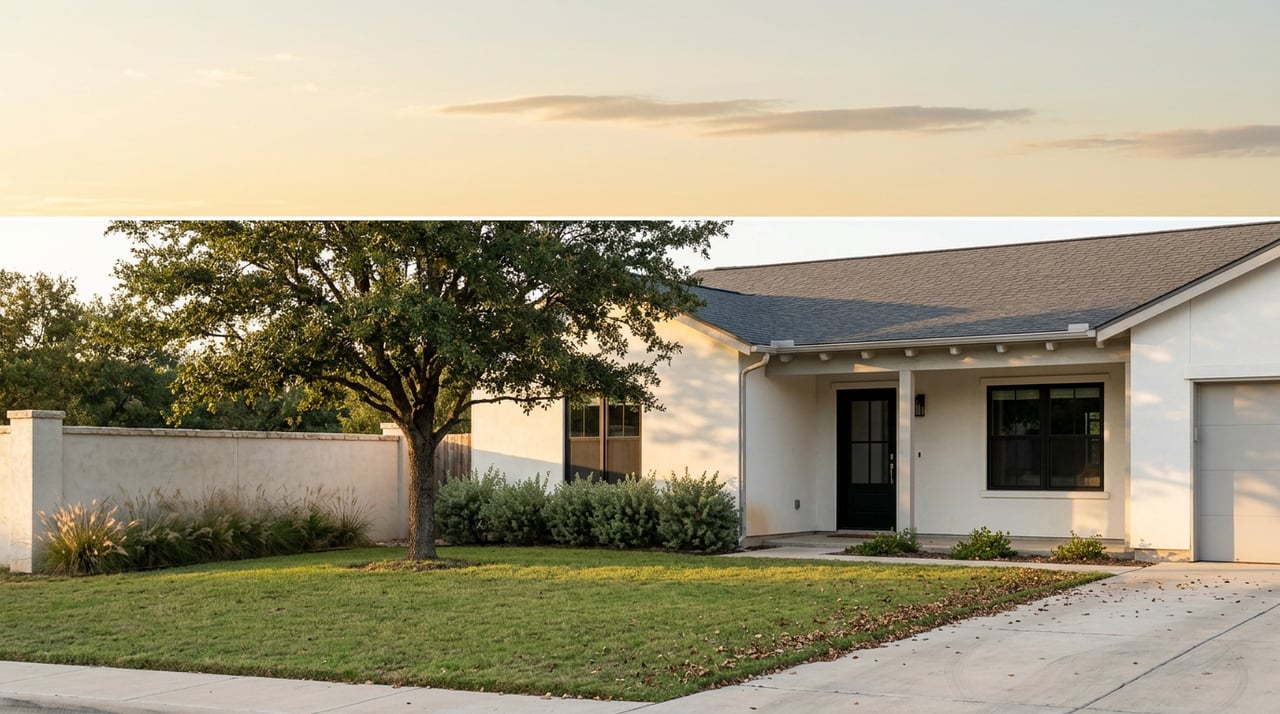
Small updates can make a home feel easier to buy.
Start with the work buyers notice first. A home does not need to be perfect, but it should feel cared for.
Use this prep checklist:
If the home has larger issues, decide how to handle them early. You can repair them, price around them, or disclose them and let buyers decide. Your agent can explain what buyers in your area expect.
Staging helps buyers picture daily life in the home. It also helps photos look better.
You do not always need a full staging service. Start with simple choices:
A spare room should not feel like storage. Show it as a bedroom, office nook, hobby room, or workout space.

Clear, calm rooms help buyers focus on the home.
Pricing matters even more than staging. A home priced too high can sit on the market. A home priced too low may leave money behind. Good pricing uses real data.
Your agent should review:
Pricing factor | What to check |
|---|---|
Recent comparable sales | Homes close by with similar size, condition, lot, and features |
Active listings | Current competition buyers will compare against yours |
Market pace | How fast homes are going under contract |
Condition | Updates, repairs, layout, and curb appeal |
Buyer demand | Season, mortgage rates, and local supply |
Ask your agent to explain the recommended price range, not just the final number. A clear pricing strategy helps you respond better if feedback or offers come in lower than expected.
Marketing starts with strong listing materials. Most buyers decide whether to tour based on photos, price, location, and listing details.
Before the listing goes live, make sure these pieces are ready:
The listing description should be clear and specific. Name useful features, such as a fenced yard, updated kitchen, new flooring, extra storage, or a main-level bedroom. Avoid vague claims.
Good marketing also includes access. A home that is hard to show may get fewer offers. Set showing windows that protect your schedule but still give buyers a real chance to visit.
Common showing tips:

Small details can shape the feel of a showing.
Online exposure helps, but buyers also care about the basics. The home must be easy to understand, easy to tour, and easy to imagine owning.
A good real estate agent helps with pricing, prep, listing, showings, offer review, inspection issues, deadlines, and closing steps. Choose someone who communicates clearly and knows your local market.
Ask these questions before you sign:
Once offers arrive, look past the highest number. The best offer may depend on cash amount, financing type, appraisal risk, contingencies, closing date, and requested repairs.
Key offer terms to review:
Term | Why it matters |
|---|---|
Purchase price | Sets the sale amount, but does not tell the full story |
Earnest money | Shows buyer commitment |
Financing | Affects risk and timeline |
Appraisal contingency | Can affect the deal if value comes in low |
Inspection contingency | May lead to repair requests or credits |
Closing date | Needs to match your moving plan |
Seller concessions | Reduce your net proceeds |
During negotiations, stay calm and practical. Decide in advance what matters most. It may be price, timing, fewer repairs, or certainty of closing.
Do not take inspection requests personally. Buyers often ask for repairs, credits, or price changes after the inspection. Review each request with your agent. Safety, structural, electrical, plumbing, and roof issues often matter more than cosmetic items.
The final stage has deadlines. Missing one can delay closing.
Keep these items organized:
Your exact paperwork depends on your state, property type, and contract. The title company, escrow officer, attorney, or agent will tell you what is required.

Closing goes smoother when documents are ready.
Before closing, complete agreed repairs and keep receipts. Leave the home in the condition required by the contract. Schedule movers, cancel or transfer utilities, and gather garage remotes, keys, mailbox keys, gate cards, and appliance manuals.
Also plan for the final walk-through. Buyers usually check that the home is in agreed condition and that included items remain.
If help would make the process easier, reach out to a local real estate professional who can guide the sale from prep to closing. You can contact Elite Real Estate Group to talk through your next steps.
A strong home sale starts before the listing goes live. Prepare the home, price it with care, keep paperwork ready, and negotiate with a clear goal. This home selling checklist gives each step a place, so the process feels less rushed and more controlled.
A clear checklist keeps the process calmer, faster, and less costly.

A focused plan can make your home easier to sell and easier for buyers to love.
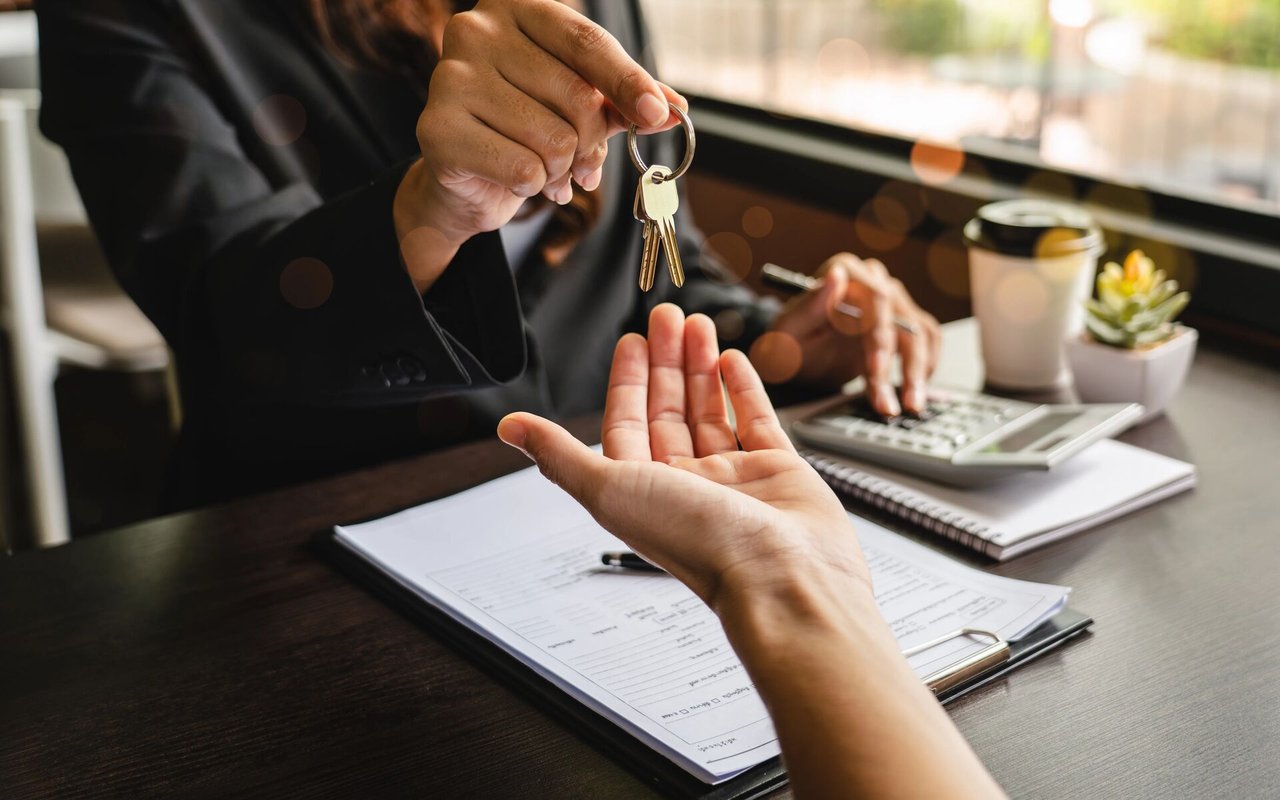
Use these strategies to compete with purpose, protect yourself, and avoid panic decisions.

Price matters. So do certainty, speed, risk, and the buyer’s ability to close.

Closing costs reduce your net proceeds, so they should be part of the plan from day one.
Ready to buy, sell, or invest in the Abilene area? Elite Real Estate Group is here to guide you every step of the way with expert advice, strong negotiation, and a client-first approach. Reach out today and take the next step with confidence.