
Real Estate Closing Process: What Buyers and Sellers Need to Know
Ashley Hernandez July 28, 2026
Ashley Hernandez July 28, 2026
Closing is the final stretch of a real estate sale, but it can feel like the longest part. The offer is accepted, the inspection is done, and moving plans are in motion. Then come the lender requests, title review, wire instructions, documents, signatures, and last-minute questions.
The good news is that closing follows a fairly predictable path. When buyers and sellers know what comes next, the process feels less stressful and more manageable.
This guide explains the main steps in a typical U.S. real estate closing, what each side should expect, common issues that can slow things down, and simple ways to stay on track.

Closing starts to feel real when both sides understand the next steps.
The closing process is the period between accepting an offer and officially transferring ownership. During this time, several parties work together to confirm that the buyer can complete the purchase and the seller can legally transfer the property.
A typical closing may involve:
The exact process varies by state. Some states use title companies, while others use attorneys. Either way, the goal is the same: confirm the details, collect and distribute funds, sign the required documents, and record the sale.
Most closings take several weeks, especially when the buyer is using a mortgage. Cash purchases can move faster, but they still need title work, documents, and proper transfer of ownership.
For buyers using a loan, mortgage approval is one of the most important parts of closing. Preapproval helps buyers make an offer, but the lender still needs to complete final underwriting before funding the purchase.
During this stage, the lender may ask for updated documents, such as:
The lender also orders an appraisal to confirm that the home supports the loan amount. If the appraisal comes in lower than the purchase price, the buyer and seller may need to renegotiate, the buyer may need to bring more cash, or the deal may need another solution.
Buyers should avoid major financial changes before closing. Opening a new credit card, financing a car, changing jobs, or moving large sums of money can create delays. Even if the change seems harmless, it may trigger extra review by the lender.
Tip for buyers: respond to lender requests quickly and keep all financial activity easy to document until after closing.

Loan approval often comes down to clear paperwork and quick responses.
A title search checks the property’s ownership history and looks for issues that could affect the sale. The title company or attorney reviews public records to confirm that the seller has the legal right to transfer the property.
The search may uncover items such as:
Many title issues are routine and can be resolved before closing. For example, an old mortgage may simply need a release recorded. A tax bill may need to be paid from the seller’s proceeds. More serious issues can take longer.
Title insurance is usually part of the closing process. A lender’s title policy protects the mortgage lender, while an owner’s title policy protects the buyer’s interest in the property. Rules and customs vary by state, including who typically pays for each policy.
Tip for sellers: if there are known title concerns, unpaid liens, ownership questions, or estate issues, bring them up early. Waiting until the title search exposes them can delay the closing date.
Before closing, buyers receive a Closing Disclosure from the lender. This document lists the final loan terms, monthly payment, cash needed to close, and closing costs. Buyers should compare it with the earlier Loan Estimate and ask questions about anything that looks unexpected.
Sellers also receive a settlement statement showing the sale price, mortgage payoff, agent commissions, taxes, credits, and net proceeds.
Here is what each side usually reviews:
Buyer review items | Seller review items |
|---|---|
Loan amount and interest rate | Mortgage payoff amount |
Cash needed to close | Agent commissions |
Property taxes and insurance | Tax prorations and credits |
Title and recording fees | Repair credits or concessions |
Monthly payment details | Estimated net proceeds |
Final numbers can shift as tax prorations, insurance premiums, payoff amounts, and timing are updated. Small changes are common. Large changes should be explained before anyone signs.

Reviewing final numbers helps prevent surprises at the closing table.
The final walkthrough usually happens shortly before closing. It gives the buyer a chance to confirm that the property is in the expected condition.
This is not a second inspection. Instead, the buyer checks that:
If something is wrong, the parties may agree to a repair, a credit, an escrow holdback, or another solution. The best answer depends on the contract, lender rules, and local practice.
Sellers can help by leaving manuals, warranties, garage door openers, alarm codes, keys, and any agreed items in an easy-to-find place.
Closing day is when the final paperwork is signed and funds are transferred. In some areas, buyers and sellers sign together. In others, they sign separately or even on different days.
Buyers usually sign more documents because of the mortgage. Common documents include the promissory note, mortgage or deed of trust, Closing Disclosure, escrow forms, tax forms, and title documents.
Sellers typically sign documents that transfer ownership, confirm payoff information, and approve the settlement statement.
Funds are handled through the closing company or attorney. Buyers often send closing funds by wire transfer or bring a certified check, depending on local rules and the closing agent’s instructions.
Wire fraud is a real risk in real estate transactions. Always verify wiring instructions directly with the closing company using a trusted phone number. Do not rely only on email instructions, especially if account details change.
Once documents are signed, funds are received, and the deed is recorded, the buyer officially becomes the owner. In some places, keys are handed over at signing. In others, possession happens after recording or at a time stated in the contract.
Most closings finish successfully, but delays happen. The most common problems include:
Financing delays
The lender needs more documents, the appraisal is late, or underwriting has follow-up questions.
Title issues
A lien, recording error, estate matter, or unpaid tax bill needs to be cleared.
Inspection or repair disputes
The parties disagree about repairs, credits, or whether work was completed properly.
Final walkthrough problems
Damage, missing items, or incomplete move-out creates a last-minute concern.
Funding or wire issues
Incorrect instructions, bank cut-off times, or transfer delays slow down disbursement.
Many of these issues are solvable, but they require quick communication and realistic expectations.

A smooth closing makes the move feel far less stressful.
A smooth closing depends on preparation more than luck. Buyers and sellers can both reduce stress by staying organized and responsive.
For buyers:
For sellers:
For both sides, the biggest tip is simple: do not ignore small questions. A missing signature, unclear repair receipt, or delayed document can create bigger problems if it sits unresolved.
Closing can seem complicated because several things happen at once. The mortgage must be finalized, the title must be cleared, money must be verified, documents must be signed, and the property must be ready for transfer.
Still, the process is manageable when each side understands its role. Buyers should protect loan approval, review final numbers, and verify every payment instruction. Sellers should clear title questions, prepare the home, and provide needed information early.
This article is for general information only and is not legal, financial, or real estate advice. For guidance on a specific transaction, work with a qualified real estate professional, lender, title company, or attorney in your state.


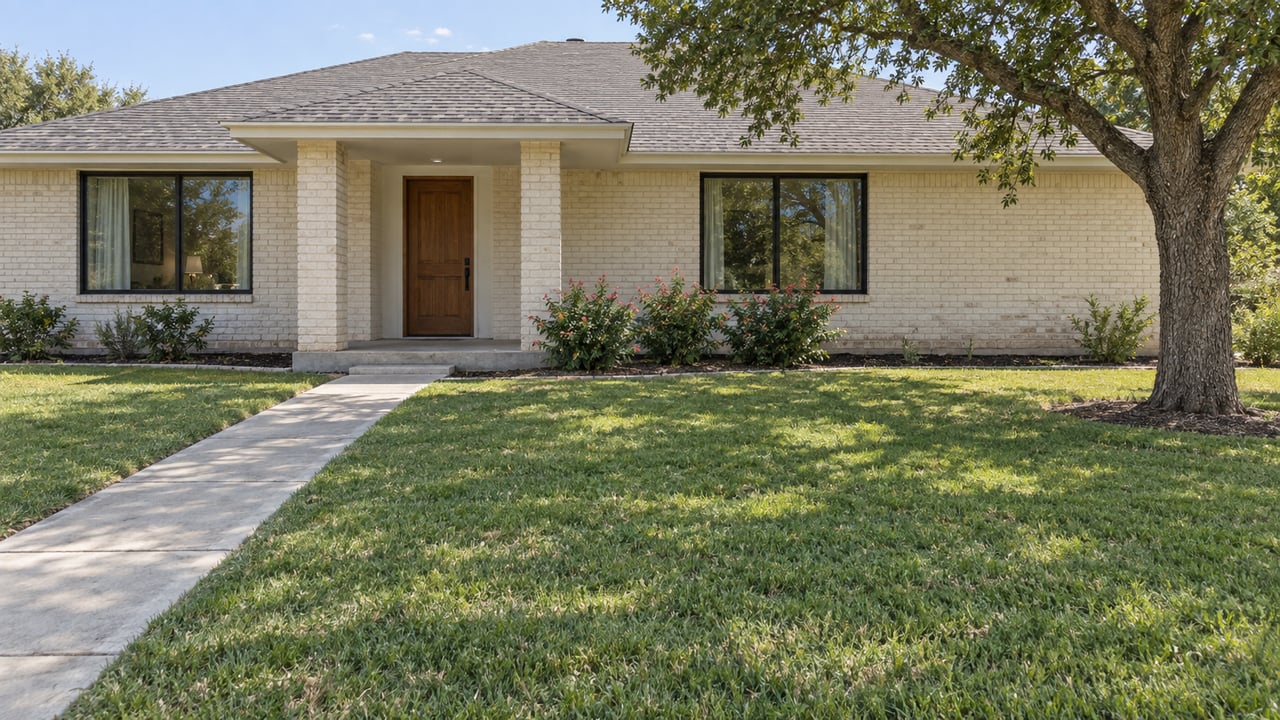



A clear checklist keeps the process calmer, faster, and less costly.

A focused plan can make your home easier to sell and easier for buyers to love.

Use these strategies to compete with purpose, protect yourself, and avoid panic decisions.

Price matters. So do certainty, speed, risk, and the buyer’s ability to close.
Ready to buy, sell, or invest in the Abilene area? Elite Real Estate Group is here to guide you every step of the way with expert advice, strong negotiation, and a client-first approach. Reach out today and take the next step with confidence.