
Home Selling Checklist Repairs Cleaning Pricing and Documents to Prepare For Success
Ashley Hernandez August 4, 2026
Ashley Hernandez August 4, 2026
Selling a home can feel like you’re suddenly responsible for a hundred tiny decisions at once. Which repairs matter? How clean is clean enough? What paperwork do you need? And how do you pick a price that brings in serious buyers without leaving money on the table?
The good news is that listing prep gets a lot easier when you break it into clear steps. Use this home selling checklist to get your property ready, reduce last-minute stress, and help buyers see the value right away.

A clean, welcoming room helps buyers picture themselves living there.
Before you worry about throw pillows or listing photos, walk through the home like a buyer would. Small issues can raise big questions. A loose doorknob, dripping faucet, stained ceiling, or cracked tile may make buyers wonder what else has been ignored.
Focus on repairs that affect confidence, safety, and first impressions.
Helpful fixes usually include:
You don’t have to remodel the whole house. In fact, major upgrades right before listing don’t always pay back what they cost. The goal is to remove distractions so buyers can focus on the home, not the repair list.
Once basic repairs are handled, look for simple improvements with broad appeal. Think clean, bright, and neutral.
Paint is often one of the strongest pre-listing updates. Fresh paint can make a room feel newer, even if nothing else changed. Stick with soft, neutral colors that work with different furniture styles.
Other high-impact updates can include:
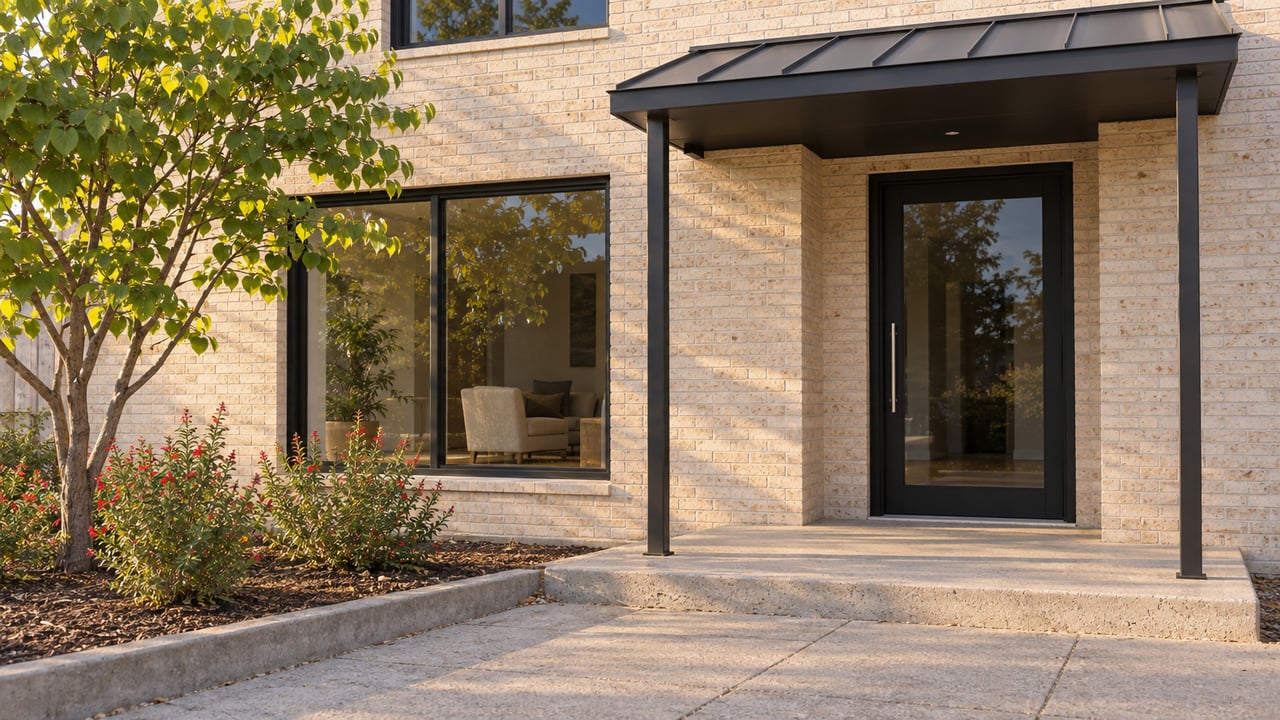
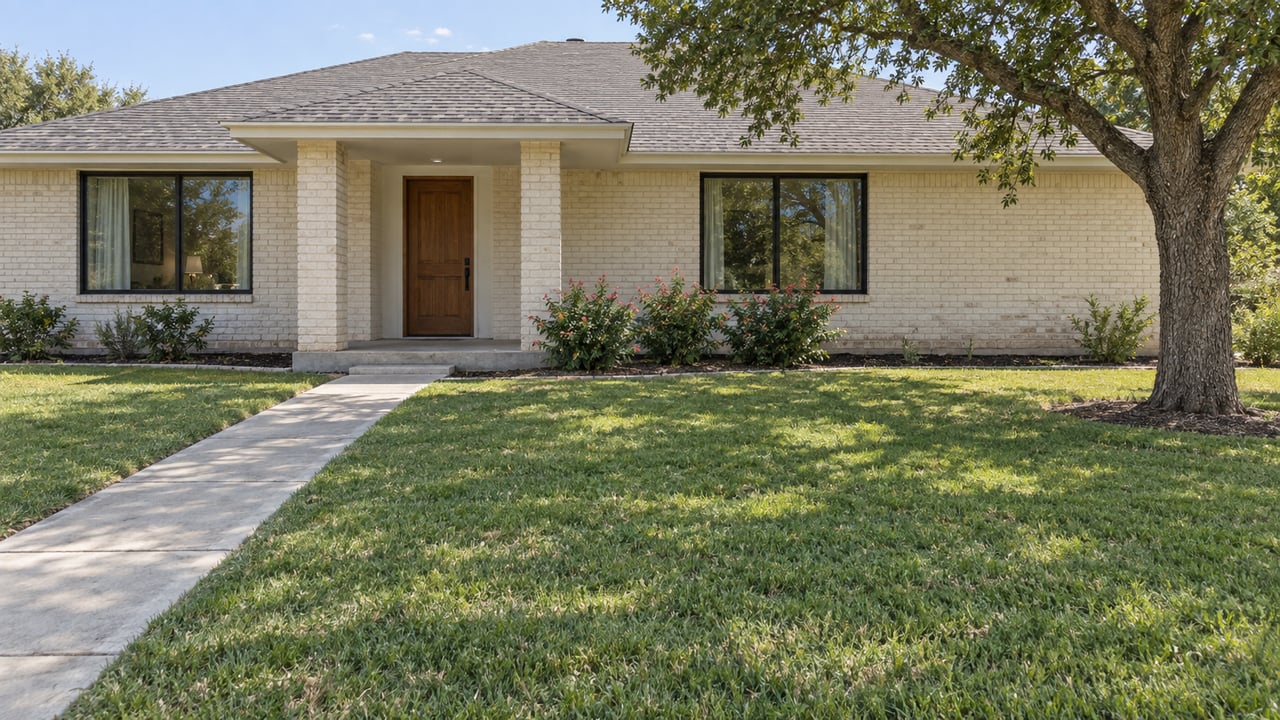
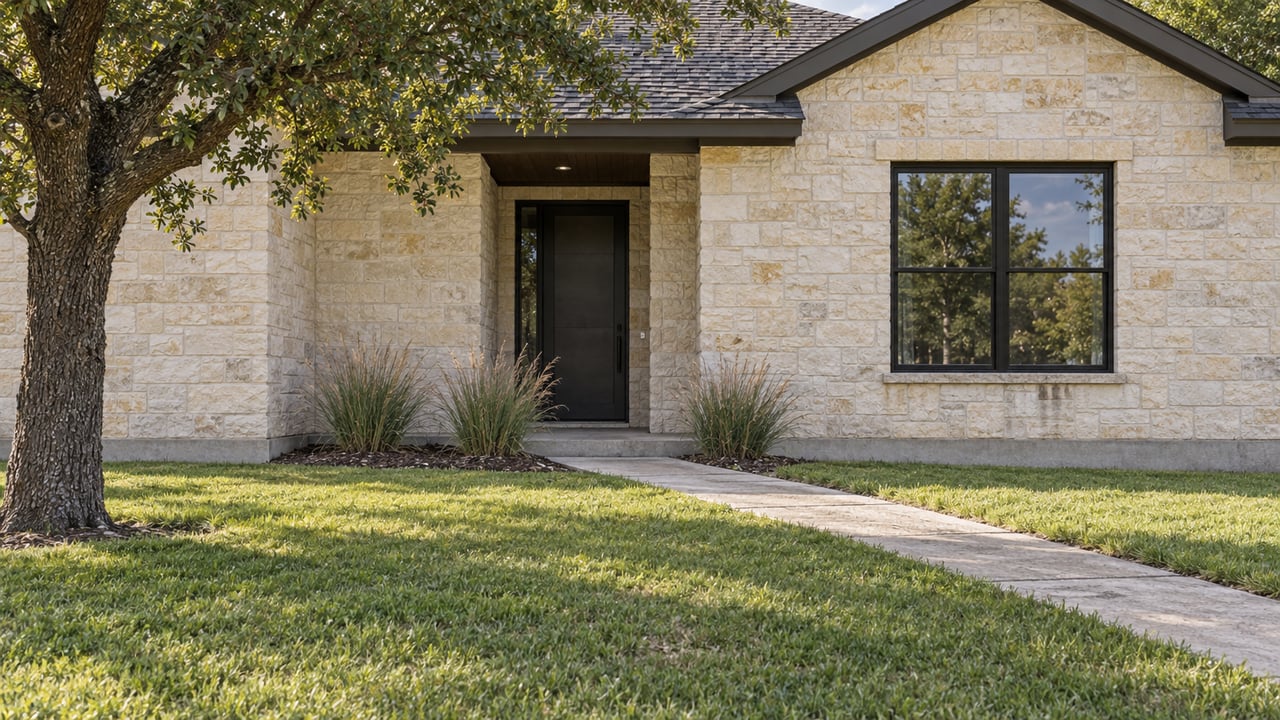
Curb appeal matters because buyers start forming opinions before they step inside. A tidy lawn, clean entryway, and freshly painted front door can set a positive tone for the entire showing.

The front entry sets the mood before buyers walk inside.
Listing photos make the first showing happen online. That means dust, clutter, streaks, and stains can stand out more than they do in person.
A deep clean helps the home feel cared for. Pay extra attention to:
Don’t forget smells. Pet odors, smoke, mustiness, and strong cooking smells can turn buyers off quickly. Open windows when weather allows, clean soft surfaces, replace old air filters, and avoid heavy fragrances. A clean smell is better than a covered-up smell.
If the job feels too big, hiring a professional cleaner before photos and showings can be money well spent.
Staging doesn’t mean turning your home into a showroom. It means helping buyers understand how each room can be used.
Start by removing items that pull attention away from the house itself. Family photos, crowded shelves, piles of mail, and bold personal decor can make it harder for buyers to imagine their own life there.
A simple staging plan looks like this:
Keep furniture that shows the room’s purpose | Remove pieces that block walkways or make rooms feel small |
Use clean bedding and fresh towels | Pack away personal care items and extra toiletries |
Clear kitchen counters | Leave only a few simple items, like a bowl of fruit or a small plant |
Organize closets | Buyers will open them, and space matters |
Closets, cabinets, garages, basements, and storage areas should look roomy. If they’re packed full, buyers may assume the home lacks storage. Start packing early and move extra items to storage, a friend’s garage, or neatly stacked bins.

Small staging details can make everyday spaces feel calm and cared for.
Paperwork may not be the most exciting part of selling, but it can keep the process moving. Having documents ready shows buyers that the home has been well managed and helps answer questions faster.
Start collecting:
Rules vary by state, so ask your real estate agent or closing professional what’s required in your area. This article is general information, not legal or financial advice.
Pricing is one of the biggest decisions you’ll make. A price that’s too high can cause the listing to sit. A price that’s too low may create doubt or leave you wondering if you could’ve done better.
Start with market research. Look at recently sold homes, not just active listings. Active listings show competition, but sold homes show what buyers were actually willing to pay.
Compare homes with similar:
Pay attention to days on market and price changes too. If similar homes needed several reductions, that tells you something. If they sold quickly with strong activity, that matters as well.
A good pricing strategy should match your timeline, local demand, and the home’s condition. This is where a knowledgeable agent can help you read the market clearly instead of relying on online estimates alone.
A day or two before photos, do a final walk-through with fresh eyes. Better yet, ask a trusted friend to walk through and point out anything distracting.
Check for:
Open blinds, turn on lights, and make sure each room feels easy to enter. Buyers should be able to move through the home comfortably without stepping around furniture or clutter.
If you’d like help deciding what to repair, how to price, and what to do before photos, schedule a home selling conversation here.

A little organization before listing can make the sale feel much smoother.
Start at least a few weeks before listing if you can. That gives you time for repairs, cleaning, staging, document gathering, and pricing conversations without feeling rushed.
Not always. Small repairs, paint, cleaning, lighting, and curb appeal often matter more than large last-minute renovations. Ask an agent which updates make sense for your market.
Buyers may ask for utility costs, HOA details, tax information, permits, warranties, and disclosures. Requirements vary by state, so confirm what applies locally.
It can be, especially in vacant homes or homes with unusual layouts. Even simple staging can help buyers understand room size, flow, and purpose.
Compare your home to recent nearby sales with similar size, condition, and features. Then adjust for current competition, buyer demand, and your selling timeline.
Selling your home is a big project, but it doesn’t have to feel chaotic. Handle the repairs that build trust, clean and stage so the home shines, collect the right documents, and price with real market data. Those steps help buyers feel confident, and that confidence can lead to stronger interest when your home hits the market.

A clear checklist keeps the process calmer, faster, and less costly.
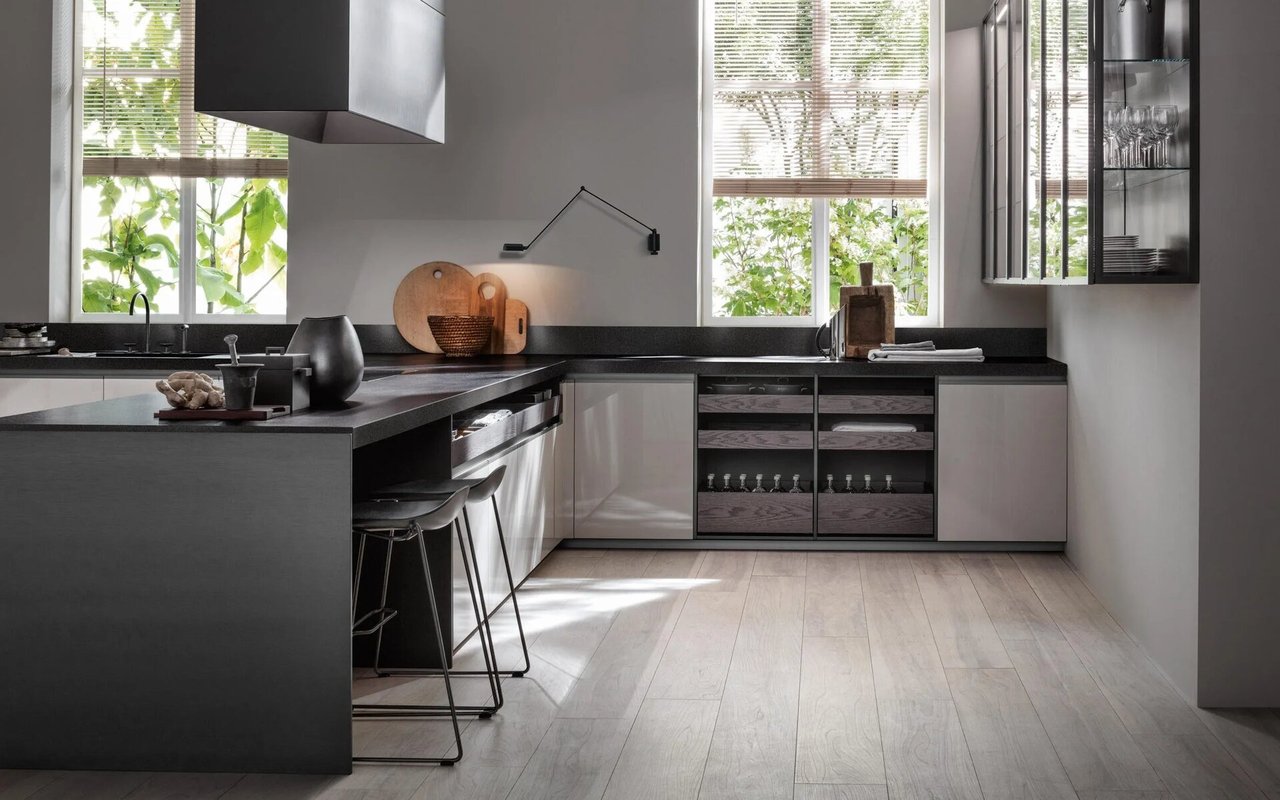
A focused plan can make your home easier to sell and easier for buyers to love.
Use these strategies to compete with purpose, protect yourself, and avoid panic decisions.

Price matters. So do certainty, speed, risk, and the buyer’s ability to close.

Closing costs reduce your net proceeds, so they should be part of the plan from day one.
Ready to buy, sell, or invest in the Abilene area? Elite Real Estate Group is here to guide you every step of the way with expert advice, strong negotiation, and a client-first approach. Reach out today and take the next step with confidence.