
From Listing to Closing A Step by Step Real Estate Guide
Ashley Hernandez August 4, 2026
Ashley Hernandez August 4, 2026
Selling or buying a home can feel like a lot because, honestly, it is. There are showings, contracts, deadlines, inspections, lender requests, title documents, and a final stack of paperwork before the keys change hands.
The good news is that the real estate process follows a fairly predictable path. Once you know what happens next, it gets a lot less stressful.
This guide walks through the journey from preparing a home for sale to closing day, with practical tips for both sides of the transaction. Real estate rules and forms vary by state, so use this as general guidance and lean on a trusted agent, lender, attorney, or title company for local advice.

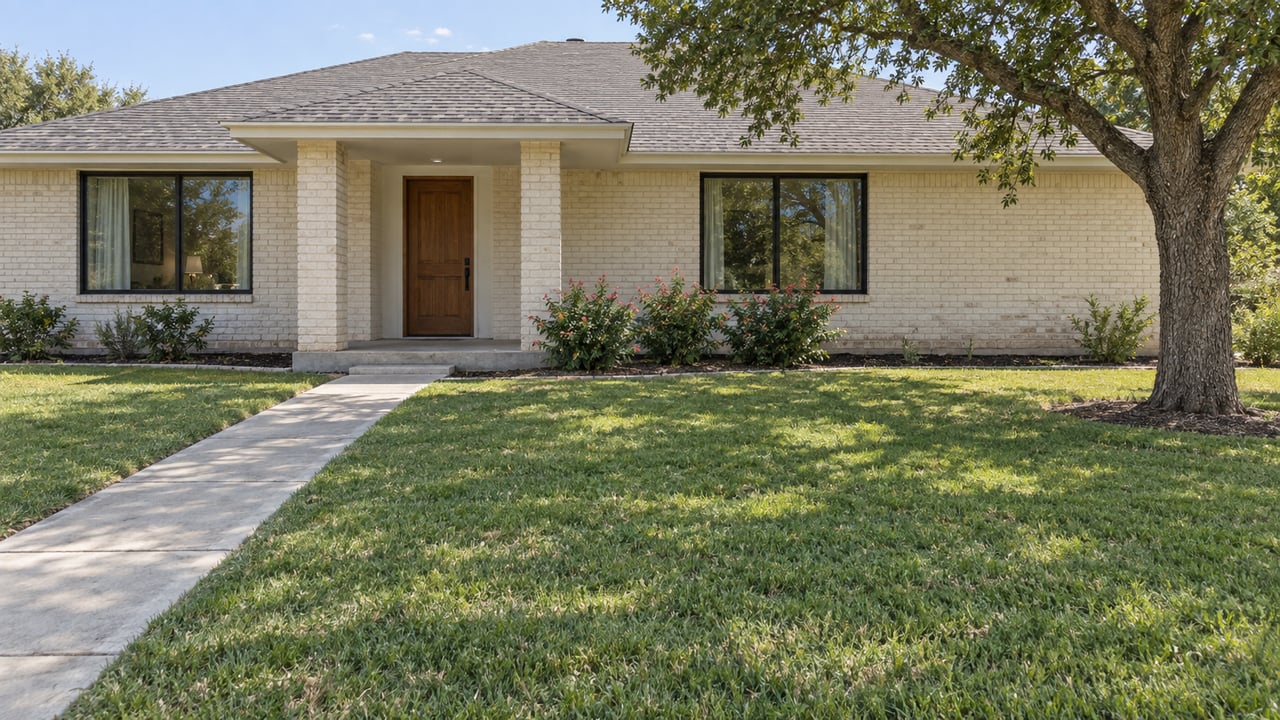
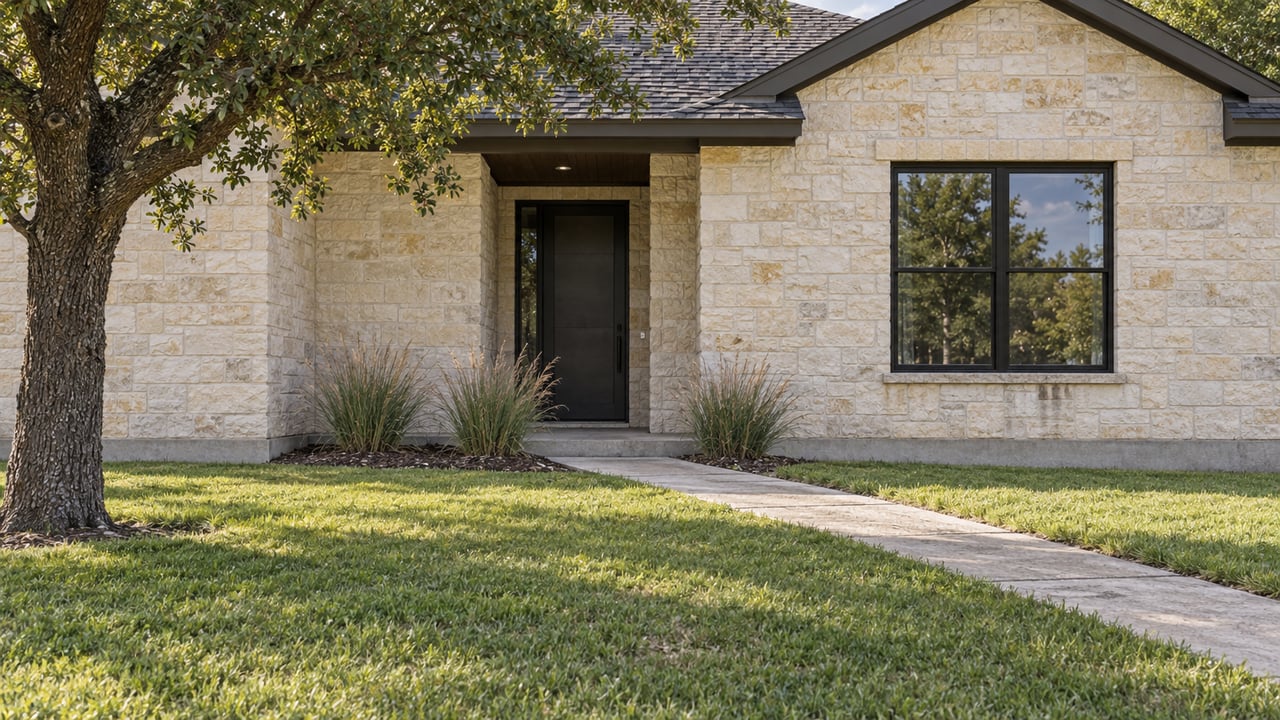
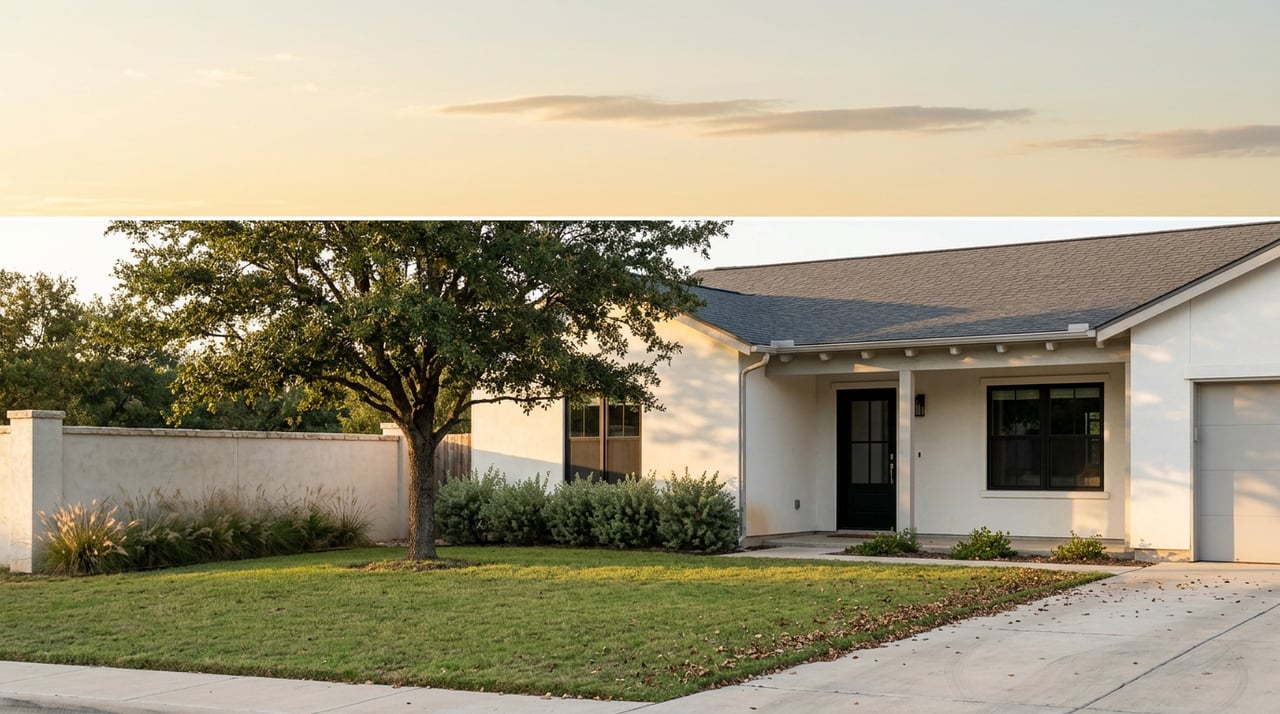
A strong first impression starts before anyone walks through the door.
A good listing starts before the photos are taken. Buyers make quick judgments, and little things can shape how they feel about the whole house.
For sellers, focus on the basics first:
A pre-listing inspection can also help sellers spot issues early. It’s not required, but it can reduce surprises once a buyer orders their own inspection.
For buyers, this stage matters too. A polished listing is helpful, but look past the pretty photos. Pay attention to the roof age, HVAC system, windows, grading, and anything that could affect long-term costs.
Pricing is one of the biggest decisions in the sale. Price too high, and the home may sit. Price too low, and the seller may leave money on the table.
A strong pricing strategy usually looks at:
What to review | Why it matters |
|---|---|
Recent comparable sales | Shows what buyers have actually paid nearby |
Active competition | Helps position the home against current options |
Condition and upgrades | Explains why one home may sell for more than another |
Location details | School zones, commute routes, lot size, and noise can all matter |
Market pace | A fast market and a slow market call for different tactics |
Once the price is set, the listing should tell a clear story. Strong photos, accurate details, and an easy-to-read description can help buyers decide whether the home fits their needs.
Marketing strategies that attract serious buyers often include listing the home on the MLS, using high-quality photography, creating a strong property description, hosting open houses, and making showing times as easy as possible.
For sellers, flexibility helps. The more available the home is for showings, the more chances buyers have to fall in love with it.
For buyers, don’t wait too long if a home checks the major boxes. Ask questions, review disclosures, and compare it with nearby homes before writing an offer.

Simple staging helps buyers focus on the space, not the stuff.
An offer is about more than the price. The strongest offer is the one that balances price, timing, certainty, and clean terms.
Sellers should review each offer carefully, including:
The highest offer isn’t always the safest one. A slightly lower offer with strong financing, fewer conditions, and a realistic closing timeline may be better.
Buyers should think beyond “winning” the home. A good offer protects you while still appealing to the seller. If you waive too many protections, you may take on more risk than you’re comfortable with.
Common negotiation points include repairs, closing costs, appraisal gaps, possession dates, and included appliances. Keep emotions in check here. A home is personal, but the contract needs to be practical.
Once the offer is accepted, the deal enters the contract period. This is where deadlines matter.
The buyer usually schedules inspections first. A general home inspection may uncover safety issues, maintenance concerns, or major defects. Depending on the property, buyers may also order pest, sewer, septic, well, radon, roof, or structural inspections.
After inspections, the buyer may accept the property as-is, ask for repairs, request a credit, or cancel if the contract allows it.
Next comes the appraisal if the buyer is using a mortgage. The lender wants to confirm the home’s value supports the loan. If the appraisal comes in low, the parties may renegotiate, the buyer may bring extra cash, or the deal may need another solution based on the contract terms.
The title company or closing attorney also checks ownership records, unpaid liens, taxes, legal descriptions, and other items tied to the property. Meanwhile, the lender finishes underwriting and prepares final loan documents.
Important closing paperwork may include:
Sellers should keep the home in agreed-upon condition and plan their move carefully. Buyers should avoid big financial changes before closing, like opening new credit, changing jobs, or making large purchases without checking with the lender.

Inspections help turn unknowns into clear decisions.
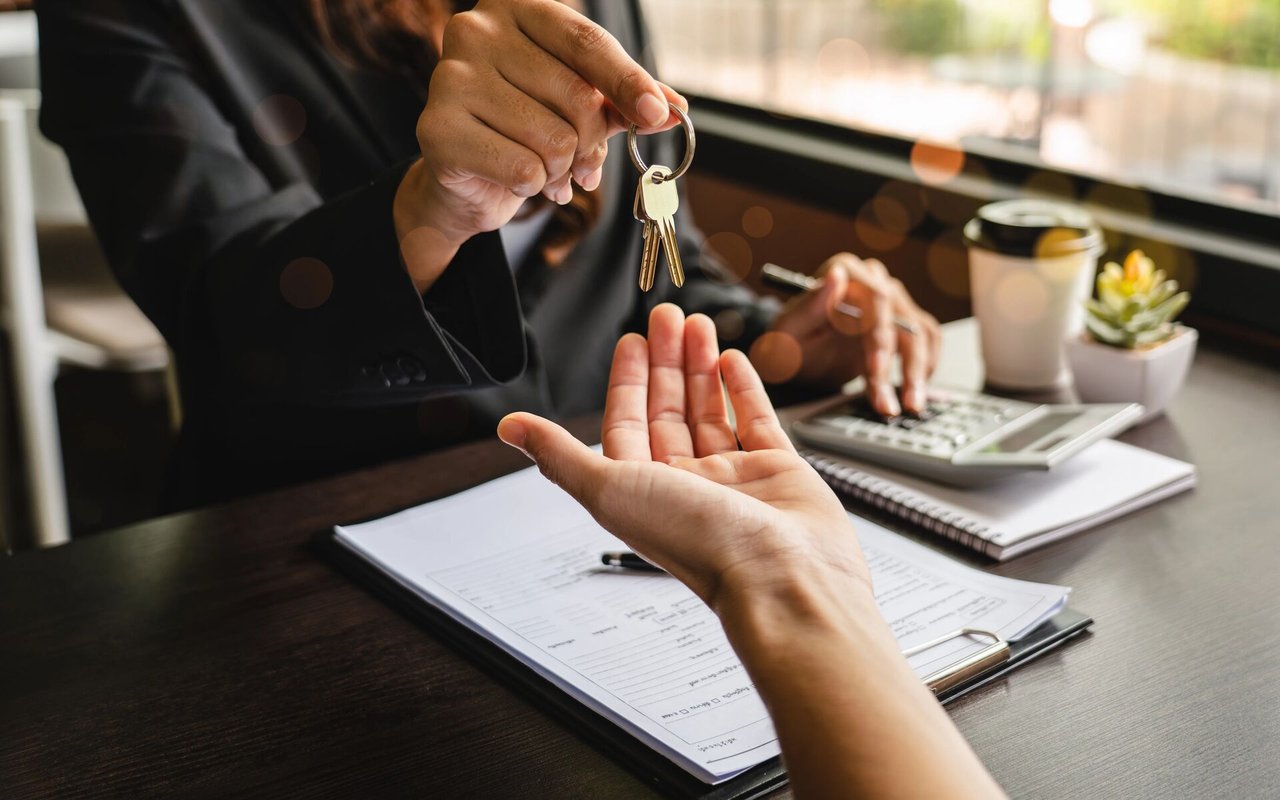
Closing day is when final documents are signed, funds are transferred, and ownership officially changes. The buyer usually does a final walkthrough shortly before closing to confirm the home’s condition and agreed repairs.
Bring a valid photo ID and follow wiring instructions only from verified sources. Wire fraud is a real risk, so call the title company or attorney using a trusted phone number before sending money.
If you’re getting ready to buy or sell and want help with the details, connect with a real estate professional here.
It varies by market, price, condition, and financing. Once a seller accepts an offer, many financed purchases take several weeks to close, while cash sales can sometimes move faster.
Small repairs are usually worth doing because they reduce buyer objections. Bigger repairs depend on cost, market conditions, and expected return.
Look at layout, natural light, storage, roof condition, water stains, odors, windows, HVAC age, and signs of poor maintenance. Pretty decor can change. Expensive systems matter more.
Yes. Inspection issues, low appraisals, financing problems, title concerns, or missed deadlines can all create trouble. A clear contract and good communication help reduce the risk.

Closing is the finish line, but preparation gets everyone there.
The path from listing to closing has a lot of moving parts, but it doesn’t have to feel chaotic. Prepare the home well, price it with care, review offers beyond the headline number, and stay organized through inspections and paperwork. When each step is handled with patience and good advice, the whole real estate journey feels a lot more manageable.


A clear checklist keeps the process calmer, faster, and less costly.

A focused plan can make your home easier to sell and easier for buyers to love.
Use these strategies to compete with purpose, protect yourself, and avoid panic decisions.

Price matters. So do certainty, speed, risk, and the buyer’s ability to close.

Closing costs reduce your net proceeds, so they should be part of the plan from day one.
Ready to buy, sell, or invest in the Abilene area? Elite Real Estate Group is here to guide you every step of the way with expert advice, strong negotiation, and a client-first approach. Reach out today and take the next step with confidence.